If you are a Texas homeowner and are wondering what is better – artificial turf or real grass sod, then you have come to the right place. Texas yards experience long and harsh summers, droughts, dry spells and constant heat and dryness. In such climate conditions, it is natural to want greenery around, which is why most Texas homeowners either get artificial turf or real grass sod installed at homes. If you are confused as to which one you should go ahead with, read on to know which is the best choice for your home!
Limited rainfall, extreme temperatures and periodic water restrictions are some of the difficulties that homeowners in Texas frequently face when they try to maintain a lush green lawn. Therefore, it is no wonder that homeowners across cities like Dallas, Austin, and Houston often think twice while evaluating lawn options for their homes. Because a wrong choice can have serious repercussions later. Maintenance cost can soar like anything and water usage may see a significant rise if you end up selecting a lawn option that is not suited for Texas weather.
Exploring Artificial Turf
Artificial turf is a synthetic surface that is made from either nylon fibres or polyethylene and they usually have a base of gravel and sand. On the other hand, materials like silica and crumb rubber help the grass blades stay up and look natural and appealing. In drought-prone areas of Texas, artificial turf is a popular choice as the cost of maintaining natural grass can be significantly higher. Moreover, most homeowners living in those areas usually avoid natural grass as they don’t want to deal with the irrigation restrictions imposed by the local government.
Artificial turf is widely used in areas that tend to experience high-traffic. Natural grass is usually avoided in those places that are most likely to experience high foot traffic. Areas where people frequently walk, pets run or children play are usually better suited for artificial turf. Artificial turf is designed specifically to withstand constant use without developing any signs of wear and tear. If you choose to opt for Artificial turf, you would not have to deal with those pesky issues like mud spots, bald patches etc.
Exploring Real Grass
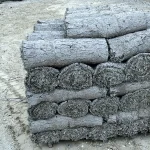
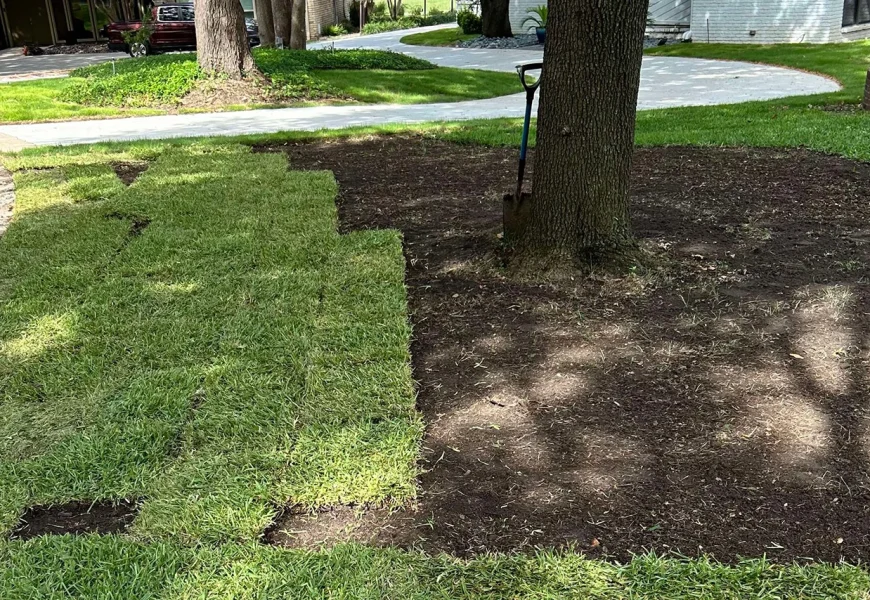
Real grass is basically live turf that is laid down as mature grass. A few common sod types in Texas include St Augustine, Bermuda and Zoysia. After installation and watering, the sod roots into the soil within a few weeks.
The soil is able to retain water for longer period which is why real grass sod is more popular in those areas in Texas that experience frequent heat waves.
However, artificial turf has its share of disadvantages. One of its major drawbacks is that it tends to get hot very fast. Natural sod, on the other hand, provides a cooler surface thanks to evapotranspiration. Evapotranspiration is a process through which natural grass releases moisture and thus helps bringing down the temperature of the surrounding areas. If you want to keep the outdoor space more comfortable and cooler during those hot Texas afternoons, you should stick to natural sod.
Factors To Consider When Deciding About Artificial Turf Or Real Grass Sod
If you are confused as to what is the best for you between artificial turf and real grass sod, these are a few factors that you must keep in mind before you make your choice:
Water Consumption
One reason many Texans choose artificial turf is its lower water consumption. Real grass sod requires more water, especially given the dry Texas summers. While summers typically require more water for maintenance, the water requirement decreases in the other months. However, artificial turf only needs water for rinsing and not for irrigation and growth purposes.
If you live in those areas that tend to deal with seasonal droughts, maybe it is not a good idea to opt for natural grass for your lawn. Settle for artificial turf and you don’t have to worry about municipal water restrictions anymore. People who opt for natural grass lawns have to get creative during those long dry spells. Natural grass will need more water during those extended dry periods and this would make your life a living hell.
Installation Cost
This is an important consideration that often gets missed when choosing between artificial turf and real grass sod. On the surface, real grass sod costs less than artificial turf. However, if we consider long term costs, real grass sod is more costly in the long run as it has recurring costs like mowing, fertilizing, weed control and other repairs. When it comes to artificial turf, mowing and other costs are not incurred but there are other charges like maintenance and repairs that one needs to bear.
Maintenance Check
Be it artificial turf or real grass sod, both need proper care and maintenance. Real grass sod requires timely mowing, fertilizing along with checking for weeds and pests on a regular basis. Coming to artificial turf, while the maintenance is not much, it still needs to be regularly cleaned, brushed and checked for debris collection.
We should not ignore the importance of mowing. Compared to artificial turf, nature grass needs regular and frequent mowing. And it does not end there; natural grass also needs pest control, seasonal aeration and occasional fertilizing in order to survive and thrive. Artificial turf eliminates most of these tasks but to make it look clean and to extend its lifespan, we do need to do some brushing and cleaning otherwise, it might lose its pristine glory.
Heat Considerations
When it comes to heat, most people prefer real grass. This is because real grass sod releases moisture which lowers the surface temperature, making the yards cool and usable in the summers. However, artificial turf tends to hold heat and thus, heat up in the summers – making walking barefoot on the turf unbearable during summers.
Soil and Environmental Concerns
Artificial turf tends to block direct soil contact. Thus, even when water seeps through the soil, soil life becomes limited and over a period of time, soil quality deteriorates. However, in case of real grass sod, the real grass interacts with the soil. The roots start interacting with the soil, thereby improving the soil structure, absorbing rainwater and reducing erosion.
Natural grass is also known to contribute to supporting ecosystems within the soil and it also helps improve overall air quality which is a big plus. Soil structure also gets supported by grass roots as they help stabilize the structure. Grass roots also help rainwater filter into the ground and thereby minimizing the chances of runoff and contributing to improve soil health.
The Choice: Artificial Turf Or Real Grass Sod
In this debate of artificial turf or real grass sod, there is no single winner. The choice completely depends on many factors and the kind of yard that you have. While artificial turf is better suited for small spaces for decoration purposes, real grass sod is more suited for larger spaces that have irrigation facilities. Thus, ensure that you make the best choice based on your needs.
Last modified: March 9, 2026