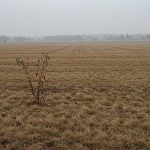

Many of you wonder whether sod can grow in winter. The fact is that sod thrives and grows well during the colder months. In this context, we will discuss installing cool season tall Fescue (green in winter) and dormant warm-season grasses (brown in winter) during the winter.
Reasons to lay sod in winter
Many people lay turf in winter during new home construction, where there is abundant bare dirt and move-in typically coincides with the end of winter. Various kinds of plants are grown to stabilize the exposed soil and prevent erosion. If you lay sod quickly in winter, there will be no need to plant trees, and the issue of soil erosion can be easily resolved. Laying dormant sod on the lawn of a new construction also facilitates quicker move-in.
Sod types to install during winter
There are two main sod types suitable for installation in winter:
01. Cool-Season Tall Fescue
If you live in the South, the ideal time to lay cool-season Tall Fescue grass is during the fall and winter. As temperatures rise in spring, it’s best to wait until Autumn to install new Tall Fescue sod.
02. Warm-Season Sod
Warm-season turf like Centipede, Zoysia, and Bermudagrass goes dormant and turns brown during the winter and fall. However, these turfs can still be laid on bare soil. Despite being dormant, these sod types help prevent erosion and muddy patches during winter.
Measuring the lawn area
You can use the following formula to calculate the amount of sod needed:
Length x width = square foot of sod required
While calculating, subtract the space occupied by driveways or buildings. For irregularly shaped areas, you can use a Lawn Area Calculator.
Preparing the soil
To lay sod in winter, you must first prepare the soil thoroughly. If there is existing grass, remove or kill it. Then, till the lawn to a depth of 4-6 inches. You may need to rent a sod cutter to remove vegetation during winter. At other times, an herbicide may suffice. Level the ground and apply soil amendments like fertilizer or Soil3 compost after conducting a soil test.
How to lay sod in winter
Once you’ve followed general instructions, here are important pointers to consider for laying green Tall Fescue and dormant warm-season sod in winter.
- Lay sod perpendicular to slopes – This helps the sods stay in place and reduces soil erosion, even before the grass takes root.
- Use sod staples–Sod staples are long U-shaped pins used to secure the sod in place until it establishes roots in spring. These are especially helpful on slopes.
- Roll the sod–Rent a sod roller from a local equipment rental. Fill it with water and roll it back and forth in a grid-like pattern. This prevents root dehydration and protects the sod from winter damage.
If properly rolled and watered until rooting, freezing temperatures will not significantly affect the sod.
Watering new sod through winter
Even in winter, sod must be watered immediately after installation- this applies to both dormant warm-season and Tall Fescue sod. While dormant, the sod still needs moisture to prepare for Spring rooting.
Check weather conditions and inspect the sod daily. Watering sod in winter requires careful balance. Dormant sod typically requires less water than warm-season grass in summer. Do not water during freezing temperatures, as sod doesn’t absorb water in such conditions.
However, cold, dry winds can dry out the roots and desiccate the sod, so you may need to water more regularly under such regularly.
Warm-season sod greens up in spring
When soil temperatures rise, warm-season sod will root and turn green. Be sure to follow proper lawn maintenance instructions for lush growth.
Winter installation advantages
Installing sod in winter has advantages: delivery schedules are less crowded than in spring. Ideally, order sod 2-5 days before installation.
As spring approaches, delivery delays become more common, so plan ahead for optimal results.
Last modified: July 1, 2025