

Sod vs Seeding for Texas Lawns
Sod gives Texas homeowners a finished lawn the day it goes down, and because its roots are already grown it copes with summer heat better in the first weeks. Seeding costs less upfront, but it only works in a short warm-soil window, takes weeks to fill in, and needs more watering and patience. Choo…
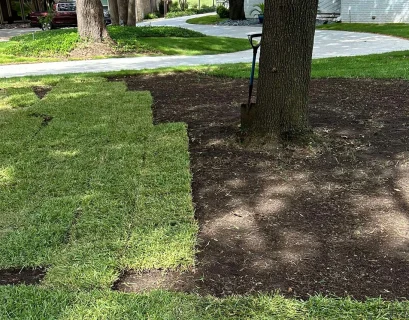
Artificial Turf vs Real Grass Sod: Which Is Better for Texas Yards?
Neither is better for every Texas yard. Artificial turf needs water only for rinsing, avoids watering restrictions and holds up to constant use by kids and pets, but it gets hot in summer and blocks soil life. Real grass sod such as St. Augustine, Bermuda or Zoysia costs less to install and stays c…
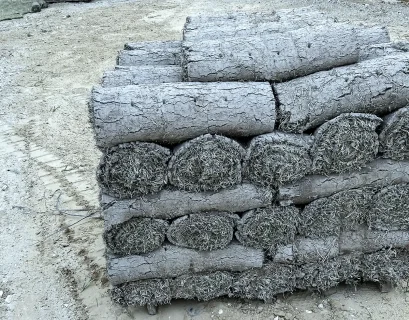
How To Mow Your Lawn The Right Way
Mowing the right way starts with patience: wait until new sod is 3 to 4 inches tall, and test that the edges are no longer loose before the first cut. After that, never remove more than one-third of the grass blade at a time, and mow to the right height for your grass: about 2 inches for Bermudagra…
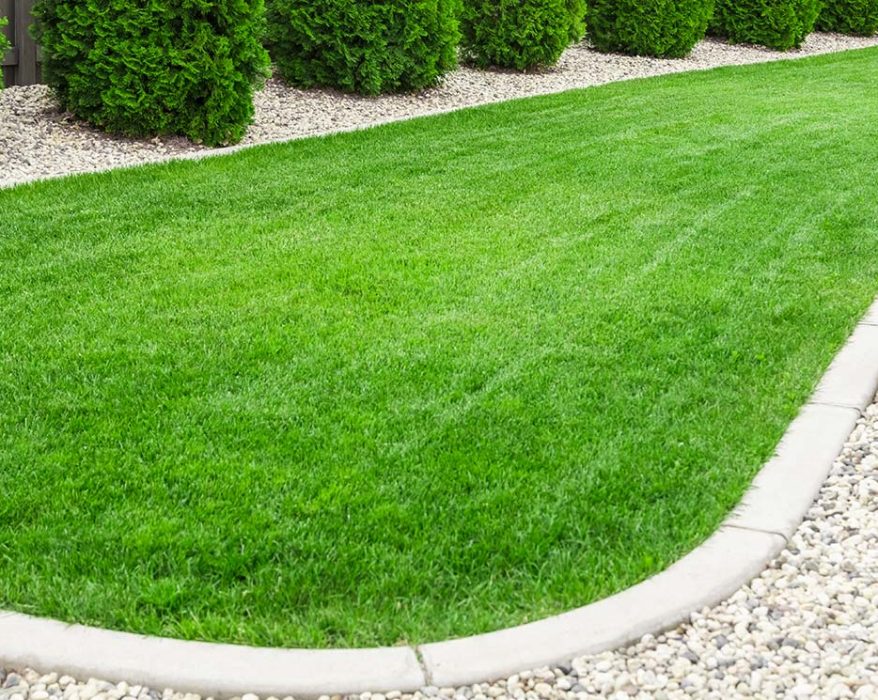
Fescue Grass vs. Crabgrass: A Comprehensive Lawn Comparison
Fescue is a desirable lawn grass, while crabgrass is an annual warm-season weed. Fescue is a cool-season grass for USDA zones 3 to 7 that grows best in spring and fall, has deep roots over a foot long, and gives a uniform, rich green lawn when mowed at 3 to 4 inches. Crabgrass sprouts in late sprin…
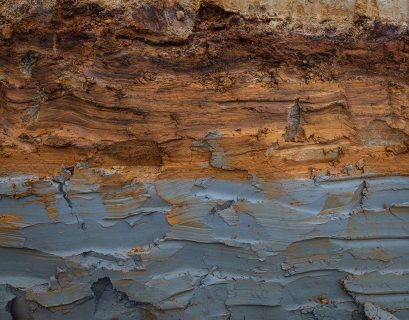
How Dallas Clay Soil Secretly Sabotages Your Sod
Dallas clay soil makes new sod hard to establish because it swings between extremes. When wet, it holds water, drains poorly and turns sticky, cutting off oxygen so roots suffocate. When dry, it bakes hard, shrinks and cracks in the Dallas heat, exposing roots while the soil a few inches down stays…
Can You Install Sod During a Stage 2 Water Restriction in Dallas
Yes, but with some uncertainty. Under Stage 2 restrictions, the City of Dallas allows watering for new sod installation for up to 30 days, but the exemption applies only to new landscaping and does not clearly define what counts as new or what proof is required. Watering is limited to after 6 pm an…
Fescue Grass vs Marathon Grass
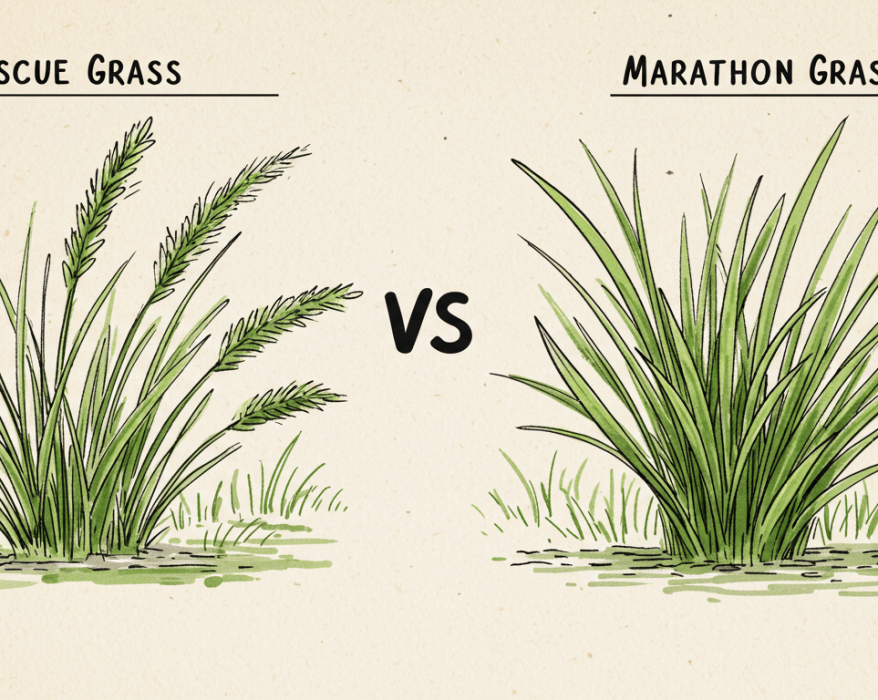
Marathon is a proprietary sod developed from turf-type tall fescue, so the choice comes down to climate and use. Marathon performs best in USDA zones 8 to 10, such as Central Arizona and Southern California, while traditional fescue suits cooler areas like the Midwest and Pacific Northwest. Both ar…
Buffalo Grass Vs Kentucky Bluegrass
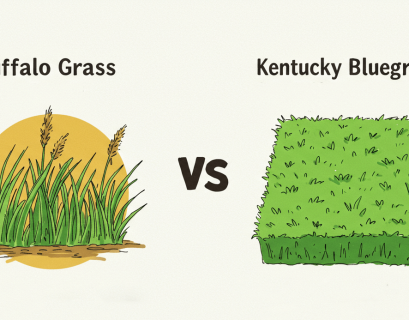
Buffalo grass suits sunny, drought-prone areas and busy owners, while Kentucky bluegrass suits cooler regions where you want a dense, dark green lawn and can water often. Buffalo grass needs only 8 to 10 inches of water per growing season thanks to roots three feet deep or more, grows slowly, needs…
Laying Sod in the Winter
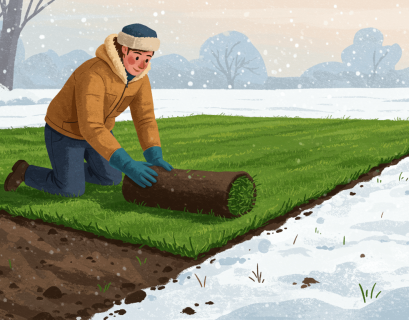
Yes, sod can be laid in winter. Cool-season tall fescue stays green, while warm-season sod such as Centipede, Zoysia and Bermudagrass goes down dormant and brown, then roots and greens up when soil warms in spring. Winter sod is common on new construction because it covers bare soil and prevents er…

How to Revive Dead Grass: Fact vs. Fiction
Dead grass cannot be revived, but brown grass is often only dormant and will green up with the right care. Southern grasses like zoysia and bermudagrass go dormant in winter and turn green again in spring. If the base of the grass is green while the top is dry, it may be dormant. Watering, raking a…